

CNIPA’s Enhanced Administration on Trademark Use
By Ai-Leen Lim, Julia Wang | Posted on March 30, 2026

Since 2025, the China National Intellectual Property Administration (CNIPA) has intensified trademark use regulation via new guidance and enforcement mechanisms, notably issuing the Notice on Strengthened Management of Trademark Use (the “Notice”) on November 21, 2025, followed by its Interpretation of the Notice (the ‘Interpretation’) on December 30, 2025, which serve as binding enforcement directives for local Intellectual Property Administration authorities nationwide.
The Notice focuses on seven types of illegal and non-compliant trademark use that will receive increased administrative enforcement scrutiny, aiming to promote standardised trademark use by various entities, guide society as a whole to respect and exercise trademark exclusive rights correctly, prevent trademark infringement, and promote fair competition. The Interpretation provided more specific examples for each category to clarify the scope of the targeted violations. Below is a summary of the 7 types of illegal trademark use, along with some provided examples in the Interpretation.
Summary of the 7 types of illegal trademark use and some of the examples provided
1. Use of unregistered trademarks containing deceptive or otherwise prohibited elements that are violating Article 10(1)(7) of Trademark Law, particularly-
- use of unregistered trademarks containing words such as “exclusive” (“专供”), “special supply”(“特供”), “premium” (“极品”), “national” (“国”), etc., which may mislead the relevant public regarding product quality or supply channels. Examples:
 (containing “极品”) for mineral water
 (“国宴” means “state banquet”) for restaurants.

 (“国宴” means “state banquet”) for restaurants.
- use of unregistered trademarks containing “selenium rich”(“富硒”), “organic”(“有机”), “zero additives” (“零添加”), “100%” or other content, where the actual attributes of the goods do not conform to such descriptions, thereby misleading the relevant public regarding the main raw materials, ingredients and other features of the goods. Examples:
 (containing “selenium rich”) for apples;
 (containing “organic”) for fresh vegetables;
 (containing “zero additives”) for soy sauce;
 (containing “100%”) for bread;
- use of unregistered trademarks containing place names, years, “handmade” (“手工”/“手打”) or other content, which may mislead the relevant public regarding the place of origin, production time, manufacturing process and other features of the goods. Examples:
- “
 ” (the first two Chinese characters “罗马” mean “Rome”, and the last two characters “瓷砖” mean “ceramic tiles”) for ceramic tiles that are not from Rome, Italy;
  for black tea, but neither the tea nor its supplier existed in 1837, and the claim of “THE FINEST TEAS OF THE WORLD” in the trademark is unfounded;
 (the The Chinese characters mean “have a bowl of handmade noodles”) for For instant noodles, which are not handmade.
- “
 (containing “selenium rich”) for apples;
 (containing “organic”) for fresh vegetables;
 (containing “zero additives”) for soy sauce;
 (containing “100%”) for bread;
 ” (the first two Chinese characters “罗马” mean “Rome”, and the last two characters “瓷砖” mean “ceramic tiles”) for ceramic tiles that are not from Rome, Italy;
 for black tea, but neither the tea nor its supplier existed in 1837, and the claim of “THE FINEST TEAS OF THE WORLD” in the trademark is unfounded;
 (the The Chinese characters mean “have a bowl of handmade noodles”) for For instant noodles, which are not handmade.
Registration applications for the trademarks in the aforementioned examples were rejected in accordance with Article 10 (1) (7) of the Trademark Law, and the relevant parties using the above trademarks faced administrative penalties by the local authorities in accordance with Articles 10 (1) (7) and 52 of the Trademark Law.
2. Use of registered trademarks in a deceptive manner, particularly –
- acts of using registered trademarks in combination with product names, advertising slogans, or packaging designs in a way that misleads the public about product quality, origin, or manufacturing process; and
- acts of unauthorised alteration of registered details that mislead the public about product quality, or alterations are made to free-ride on another’s trademark.
Examples:
- Using the registered trademark “
 ” (“Fresh Soil”) in the form “
 ” (“Farmer’s House Fresh Pastured Egg”) for “eggs”. In this usage, the two Chinese characters of the registered mark were displayed in different colours alongside the product name and other promotional text. Notably, the second character was separated to form a more prominent, independent term: “土鸡蛋” (“Pastured Egg”). This registered trademark has been declared invalid by the CNIPA.
 ” (“Fresh Soil”) in the form “
 ” (“Farmer’s House Fresh Pastured Egg”) for “eggs”. In this usage, the two Chinese characters of the registered mark were displayed in different colours alongside the product name and other promotional text. Notably, the second character was separated to form a more prominent, independent term: “土鸡蛋” (“Pastured Egg”). This registered trademark has been declared invalid by the CNIPA.
- Using the registered mark “
 ” in the altered form “
 ” on “honey”, where the deceptive claims such as “green”, “ecological”, “healthy” were added to the trademark. This illegal use has been penalised by the local authority in accordance with Articles 10 (1) (7) and 52 of the Trademark Law.
 - Using the registered mark “
 ” on lubricants in the form “
 ” to free ride on the trademark “BP” owned by the UK oil and gas company BP P.L.C. The local authority has imposed penalties for this illegal use, including an order requiring the relevant party to make corrections within 7 days in accordance with Article 49(1) of the Trademark Law.
 ” in the altered form “
 ” on “honey”, where the deceptive claims such as “green”, “ecological”, “healthy” were added to the trademark. This illegal use has been penalised by the local authority in accordance with Articles 10 (1) (7) and 52 of the Trademark Law.
 ” on lubricants in the form “
 ” to free ride on the trademark “BP” owned by the UK oil and gas company BP P.L.C. The local authority has imposed penalties for this illegal use, including an order requiring the relevant party to make corrections within 7 days in accordance with Article 49(1) of the Trademark Law.
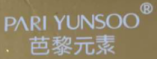
3. Misrepresentation of registered trademarks, particularly acts where unregistered marks containing deceptive elements are falsely affixed with the registration symbol or indicated as registered trademarks.
Example:
- An entity used an unregistered mark “
 ” on cosmetics by falsely affixing the registration symbol “®” in the upper-right corner, namely, “
 ”. Furthermore, the entity continued to use the mark even after its trademark application for cosmetics and related goods was rejected by the CNIPA for its deceptive nature. Consequently, the local authority penalised the entity pursuant to Article 52 of the Trademark Law.

4. Failure to use registered trademarks where registration is mandatory: particular scrutiny applies to products such as cigarettes, cigars, packaged tobacco, and new tobacco products (e.g. e-cigarettes) in Class 34, which must use registered trademarks under the Tobacco Monopoly Law of the PRC and its implementing regulations.
Example: An entity registered the word marks “WX” and “YZ” separately for cigarettes, but used them in combination as “WXYZ” on the cigarettes it produced and sold, affixing the registration symbol “®” solely to the upper right corner of the final letter “Z”. As a result, the local authority penalized the entity under Articles 6 and 52 of the Trademark Law.
5. Prominent use of the term “Well-known Trademark” in commercial activities, particularly acts involving the use of the term “Well-known Trademark” with an official recognition record for advertising or promotional purposes.
Example: After its trademark was officially determined as a Well-Known Trademark by the competent authority, the entity prominently used the phrase “China Well-Known Trademark” on its website and social media for promotional or marketing purposes. Consequently, the entity was penalised by the local authority pursuant to Article 14(5) and Article 53 of the Trademark Law.
6. Improper use of collective and certification trademarks, especially when the goods fail to meet the quality requirements set out in their use management rules. The registrant, members of the collective trademark, and users of the certification trademark who violate relevant use management rules shall all bear responsibility.
Example:
- The registrant of the certification mark “
 ” (Zhong Ning Goji Berries) was summoned by the local authority after a user was issued administrative penalties for producing and selling substandard products bearing the mark. The registrant was ordered to strictly enforce management responsibilities under the Measures for the Registration and Administration of Collective Marks and Certification Marks.
 ” (Zhong Ning Goji Berries) was summoned by the local authority after a user was issued administrative penalties for producing and selling substandard products bearing the mark. The registrant was ordered to strictly enforce management responsibilities under the Measures for the Registration and Administration of Collective Marks and Certification Marks.
7. Illegal agency by trademark agencies, with a focus on acts where trademark agencies and their practitioners facilitate bad-faith trademark applications, file malicious ‘non-use cancellation’ requests, or engage in other activities that damage the interests of trademark right holders. The Interpretation provides an example in which an agency was penalised for filing trademark applications on behalf of its client with knowledge that the marks were not intended for bona fide use; furthermore, some of these marks were deceptive or detrimental to public interest.
Legal Consequences and Enforcement Measures
Depending on the nature and severity of the violation, trademark enforcement authorities impose varying administrative penalties on violators in accordance with Articles 10 (1) (7), 49(1), 51, 52, 53, 68, and other relevant provisions of the current PRC Trademark Law.
Brand owners should bear in mind that if their trademark applications for the relevant goods or services are refused under Article 10(1)(7) of the Trademark Law, prohibiting misleading or deceptive marks, and the refusal notices or decisions come into force, their use of such marks will be at risk of facing administrative penalties.
Regarding the first three types of illegal trademark use that are most relevant to brand owners and operators, administrative measures imposed by local authorities on violators generally include:
- Ordering the violator to make corrections within a specified time limit; and/or
- Imposing fines of up to RMB 10,000 (approx. USD 1,460) or up to 20% of illegal business revenue, depending on the specific circumstances.
For unilateral alteration of registered trademarks or misleading use of registered trademarks as outlined in the second type of illegal trademark use, the CNIPA may, in serious cases, revoke the registered trademark pursuant to Article 49(1), or declare the registration invalid where it violates Article 10(1)(7).
It is worth noting that the Draft Revision of the PRC Trademark Law establishes a formal and enhanced mechanism to combat the illegal trademark uses set out in the Notice. We may provide further updates once the revised version of the Trademark Law is approved.
Conclusion and Suggestions
CNIPA’s recent enforcement developments signal a clear shift from focusing solely on trademark registration to scrutinising how trademarks are actually used in the market. Both unregistered and registered trademarks now carry meaningful compliance risk if their use is misleading, inconsistent, or improperly presented.
To mitigate enforcement exposure, businesses should:
- Ensure all trademark use strictly aligns with registration details.
- Avoid using exaggerated, absolute, or unsubstantiated claims in marketing materials.
- Verify registration status before using registration symbols (® or similar) or asserting registered status;
- Strengthen cross-functional review among legal, compliance, marketing, and product teams;
- Conduct early compliance reviews and maintain ongoing monitoring to reduce the risk of fines, rectification orders, and potential revocation of trademark rights.
Filed under: Insights